The Connection Between Stress, Cortisol & Belly Fat
Why Managing Stress Physiology Is Essential for Metabolic Health & Body Composition

Most people assume that stubborn belly fat comes from eating too much, not working out enough, or “getting older.” But one of the most powerful — and overlooked — drivers is stress physiology, especially chronic cortisol elevation.
At Ascend Wellness MD, we see this pattern often: patients who are eating well, strength training, and sleeping adequately still accumulate fat around the abdomen. The missing piece is usually cortisol, the body’s primary stress hormone.
Cortisol is not inherently harmful. It helps us wake up, focus, regulate inflammation, and respond to challenges. But when cortisol stays high for too long — because of psychological stress, poor sleep, rushing from task to task, under-fueling, overtraining, or emotional load — the body shifts into a biological state that promotes fat storage in the midsection, particularly visceral fat.
Understanding this relationship is foundational to both metabolic health and body contouring outcomes.
What Cortisol Does — and Why It Becomes a Problem
Cortisol follows a normal 24-hour rhythm, rising in the morning and tapering throughout the day. Chronic stress disrupts this rhythm, leading to persistently elevated levels.
In balanced amounts, cortisol:
Enhances alertness
Regulates inflammation
Helps control blood sugar
Supports metabolism
In excess, cortisol contributes to:
Increased appetite and carb cravings
Fat storage specifically in the abdomen
Disrupted insulin signaling (more fat storage)
Muscle breakdown
Slower metabolism
This is how individuals can “do everything right” yet still struggle with a growing waistline.
How Cortisol Causes Belly Fat

Cortisol increases appetite and cravings
This is a survival mechanism. Under stress, the brain interprets cortisol spikes as danger and pushes you to refuel quickly — especially with carbohydrates.
Cortisol directs fat storage to the abdomen
High cortisol activates lipoprotein lipase (LPL) activity in abdominal fat, making those cells more efficient at storing fat.
Cortisol worsens insulin resistance
Chronically high cortisol increases blood glucose, prompting increased insulin release. Elevated insulin signals the body to store fat rather than burn it.
Cortisol breaks down muscle
Cortisol catabolizes muscle for energy. Less muscle means a slower resting metabolic rate and increased fat storage, especially during perimenopause and menopause.
Visceral Fat vs. Subcutaneous Fat
One of the most misunderstood topics in weight and body-composition medicine is the difference between visceral and subcutaneous fat.
Visceral fat (inside the abdomen):
Surrounds internal organs
Driven heavily by cortisol, hormones, inflammation, and metabolic dysfunction
Associated with cardiovascular disease, insulin resistance, and chronic inflammation
Subcutaneous fat (under the skin):
The pinchable fat many people “see”
Influenced by genetics, hormones, and lifestyle
Responsible for stubborn bulges or lower belly fullness
Stress and cortisol predominantly increase visceral fat, which affects metabolic health.
But even when visceral fat decreases, many people are left with stubborn subcutaneous areas that resist diet and exercise.
This is where body contouring becomes a powerful adjunct.
Where TruSculpt Fits In: Sculpting After Metabolic Health Is Restored
At Ascend Wellness MD, our philosophy is simple:
Fix the physiology first. Then sculpt the exterior.
No body-contouring technology can override chronic cortisol elevation or metabolic dysfunction. That’s why our first step is always to address the four pillars:
Nutrition
Movement
Sleep
Mental & emotional health
As cortisol normalizes and visceral fat decreases, patients often still notice:
Lower belly fat
Flank fullness (“love handles”)
Abdominal unevenness
Poor muscle tone due to stress, fatigue, or perimenopause
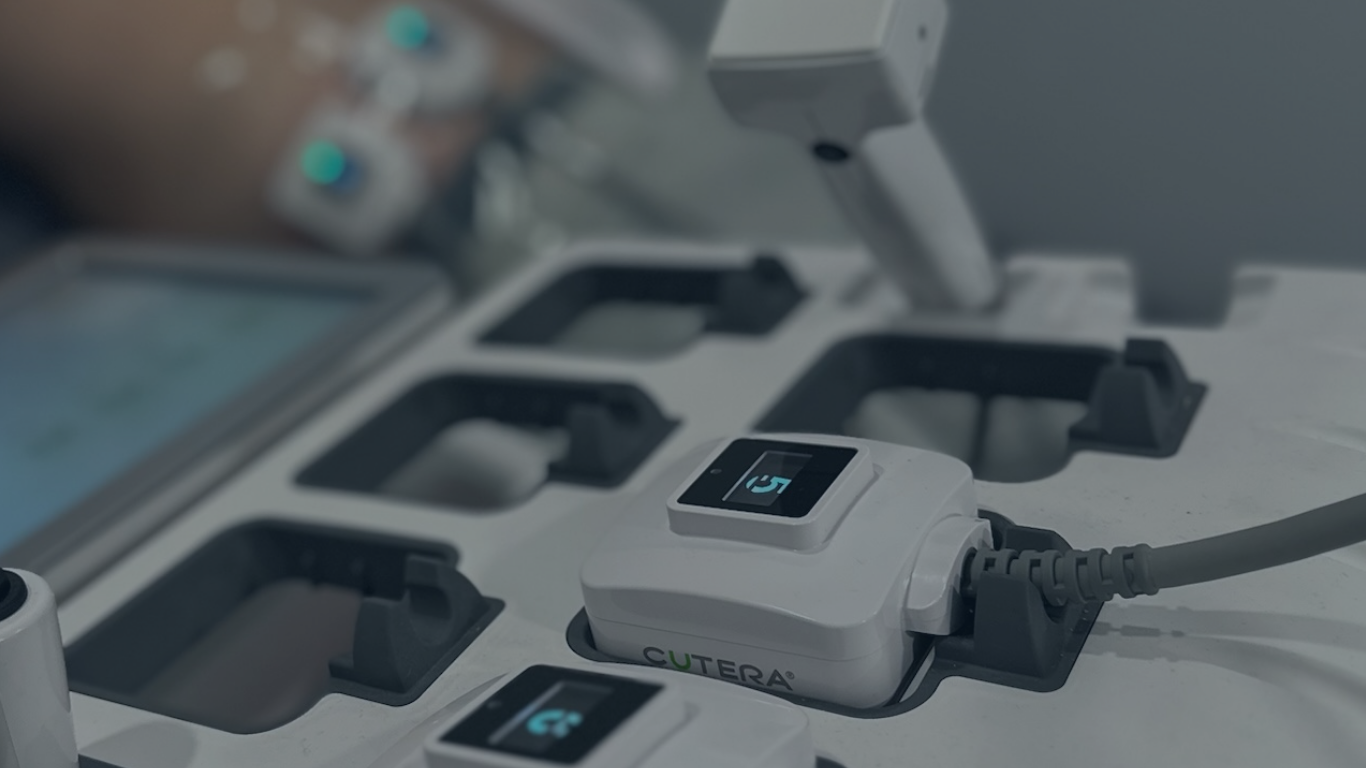
This is the ideal moment to introduce TruSculpt iD and TruFlex.

Why TruSculpt Works So Well With a Stress-Informed Metabolic Plan
TruSculpt iD:
Uses monopolar radiofrequency to permanently destroy up to 24% of subcutaneous fat in a treated area.
TruFlex:
Uses multi-directional electrical muscle stimulation to deliver the equivalent of 54,000 contractions in one session, enhancing core strength and definition.
The synergy works because:
We’ve reduced visceral fat internally
Cortisol is more balanced
Insulin sensitivity improves
Strength training and nutrition are optimized
The body is primed to reveal muscle tone and sculpted contours
When physiology is addressed first, TruSculpt results are:
More predictable
More dramatic
Longer lasting
Better matched to the patient’s metabolic health goals
This inside-out approach is uniquely powerful — and a defining part of the Ascend Wellness MD model.

Chronic stress and elevated cortisol are among the most underrated contributors to abdominal fat and metabolic dysfunction. Addressing stress physiology is the key to unlocking sustainable weight loss, improved energy, and long-term health.
Once that foundation is in place, TruSculpt becomes an elegant and effective tool for refining body contours, strengthening the core, and accelerating visible change.
If you’re ready to understand your metabolism, calm your stress physiology, and take control of both your inner and outer well-being, Ascend Wellness MD is ready to guide you.
References
Epel ES, et al. Stress and body shape: Stress-induced cortisol secretion is consistently associated with visceral fat. Psychoneuroendocrinology. 2000.
Björntorp P. Do stress-related hormonal changes cause abdominal obesity and metabolic syndrome? Obesity Reviews. 2001.
Pasquali R. The hypothalamic–pituitary–adrenal axis and sex hormones in chronic stress and obesity. Annals of the New York Academy of Sciences. 2010.
related posts