Micro-Dosing GLP-1 Medications: Trend, Truth, and a Physician’s Perspective
GLP-1 medications have reshaped the treatment of obesity, insulin resistance, and metabolic disease. As their use has expanded, so has online conversation—most recently around a concept often referred to as “micro-dosing” GLP-1 medications.
Patients are increasingly asking:
Is micro-dosing safer?
Does it still work?
Is this a way to avoid side effects or long-term dependency?
Is this something meant for weight loss—or longevity?
As with many social-media-driven health trends, the answer is not a simple yes or no. It requires clinical context.
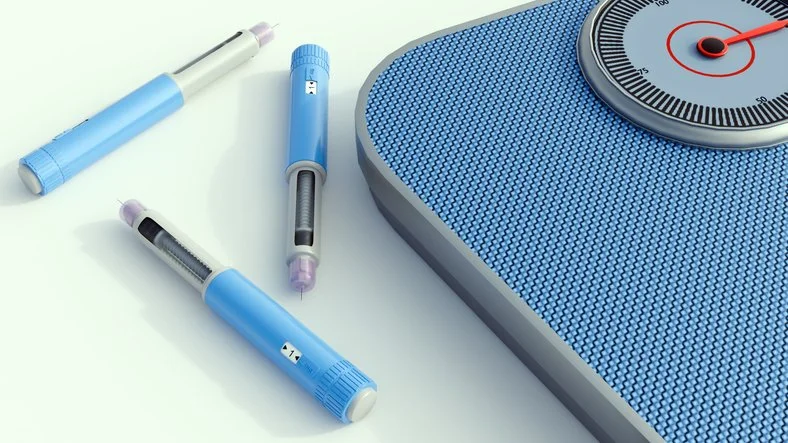
What People Mean by “Micro-Dosing” GLP-1s
“Micro-dosing” is not a medical or FDA-defined term.
In online discussions, it typically refers to:
Using doses lower than standard therapeutic targets
Remaining at early titration doses for extended periods
Spacing injections further apart than prescribed
Using GLP-1s primarily to reduce appetite “noise” rather than drive significant weight loss
This umbrella term lumps together very different behaviors, some reasonable and some potentially unsafe.
An Important Clarification: GLP-1s Are Already Started Low by Design
From a medical standpoint, GLP-1 medications are intentionally started at low doses and increased gradually. This titration exists to:
Minimize gastrointestinal side effects
Allow central appetite signaling to adapt
Improve long-term tolerance and adherence
So when patients hear “micro-dosing,” what they’re often describing is remaining at a lower-than-average effective dose, not doing something fundamentally new.
The critical difference is who is making that decision—and why.
When Lower-Dose GLP-1 Therapy Can Be Clinically Appropriate

In a physician-supervised setting, lower-dose or slower-titration GLP-1 use may be appropriate for certain patients, including those who:
Are highly medication-sensitive
Have lower body weight or lower caloric requirements
Are perimenopausal or postmenopausal with metabolic slowing rather than severe obesity
Experience significant appetite dysregulation or “food noise” without needing aggressive weight loss
Are transitioning into a maintenance phase after weight loss
Are prioritizing metabolic health, insulin sensitivity, or longevity, not maximal scale changes
In these scenarios, the goal is precision and sustainability, not maximal appetite suppression.
Where Social Media Oversimplifies (and Gets Risky)
The concern with the current micro-dosing trend is not the concept of lower dosing—it is the lack of medical framing.
Online narratives often:
Encourage self-directed dose manipulation
Minimize the importance of nutrition and resistance training
Frame GLP-1s as lifestyle enhancers rather than prescription therapies
Ignore risks such as:
Lean muscle loss
Undernutrition
Hormonal disruption
Micronutrient deficiencies
Metabolic adaptation over time
GLP-1s are powerful tools—but powerful tools require skilled use.

Weight Loss vs. Metabolic Health: Not the Same Goal
One of the most misunderstood aspects of GLP-1 therapy is the assumption that more weight loss always equals better health.
In reality, meaningful benefits may include:
Improved insulin sensitivity
Reduced glycemic variability
Improved appetite regulation
Lower systemic inflammation
Better adherence to protein-forward nutrition
Improved metabolic flexibility
These benefits do not always require high doses—but they do require:
Adequate protein intake
Strength training to preserve lean mass
Ongoing clinical monitoring
Without those supports, even “low-dose” therapy can lead to unintended consequences.

Micro-Dosing for Longevity: Promise vs. Proof
Some patients are exploring lower-dose GLP-1 use for potential longevity-related effects, including:
Reduced cardiometabolic risk
Improved insulin signaling
Reduced cravings for alcohol or ultra-processed foods
While early data and mechanistic theories are intriguing, it’s important to be clear:
There are currently no large-scale clinical trials validating micro-dosing GLP-1s specifically for longevity or anti-aging.
Any such use should be considered experimental, thoughtful, and closely supervised.

Potential Downsides of Staying Too Low for Too Long
Lower dosing is not automatically safer.
Potential drawbacks include:
Inadequate metabolic benefit
Weight loss without sufficient appetite control
Higher likelihood of weight regain
Missed opportunity for cardiometabolic risk reduction
Frustration from under-treatment
The “right” dose is not the lowest possible dose—it is the lowest effective dose for that individual.
Our Approach at Ascend Wellness MD
At Ascend, GLP-1 therapy is never prescribed in isolation or based on trends.
Every plan includes:
Individualized dose selection and reassessment
Protein and micronutrient targets
Lean mass preservation strategies
Strength training guidance
Cardiometabolic risk evaluation
Ongoing monitoring as physiology and goals evolve
We use GLP-1 medications as tools within a comprehensive longevity and metabolic strategy, not as shortcuts.
FAQ’s:
-
Not inherently. Safety depends on context, monitoring, and nutrition—not dose alone.
-
For some patients, yes. For others, no. Response is highly individual.
-
Possibly—but only with physician oversight and clear goals.
-
No. GLP-1s are prescription medications that require medical guidance.
The Bottom Line
“Micro-dosing” GLP-1s is not a standardized medical strategy
Lower-dose therapy can be appropriate when individualized and supervised
Social-media trends should never replace clinical decision-making
Sustainable metabolic health requires nutrition, movement, and monitoring, not dose manipulation alone
If you’re curious whether a lower-dose, maintenance-focused, or longevity-oriented GLP-1 approach is right for you, that conversation should begin with a physician who understands your full metabolic picture—not an algorithm.
related posts