Why Everyone Is Talking About Biological Age (and Why It Matters More Than Your Birthday)
“How old are you?”
It’s a question we’ve all answered hundreds of times.
But what if it’s the wrong question?
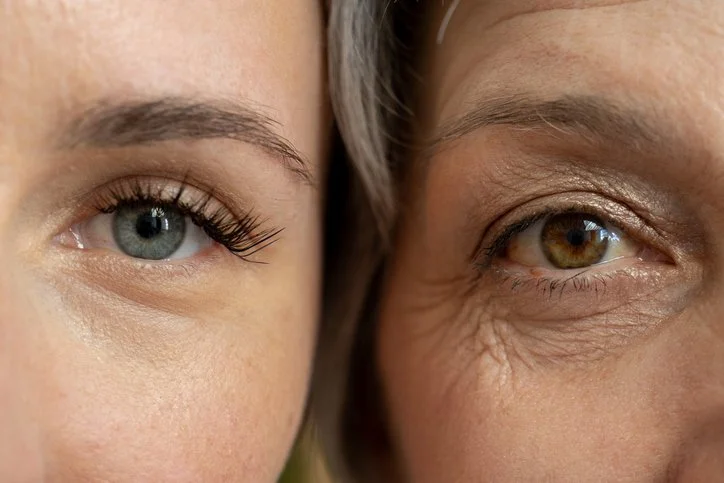
Two people can both be 55 years old, yet one runs marathons, lifts weights, hikes with grandchildren, and takes no medications. The other struggles to climb a flight of stairs, has diabetes, high blood pressure, and chronic joint pain.
Same birthday.
Very different health.
That’s the concept behind biological age—and it’s one of the most exciting ideas emerging in longevity medicine.
Rather than asking “How long have you been alive?”, biological age asks a more meaningful question:
“How well is your body aging?”
Chronological Age vs. Biological Age
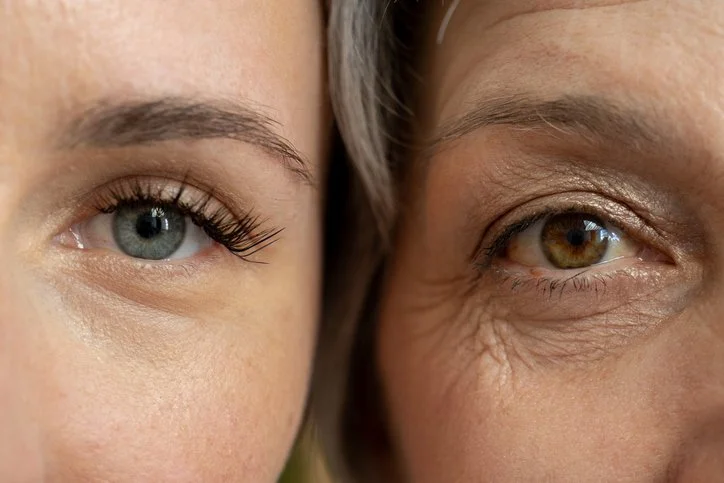
Your chronological age is simply the number of years you’ve been alive.
Your biological age is an estimate of how well your body is functioning compared with others your age.
Think of two identical cars purchased on the same day.
One has been meticulously maintained, driven carefully, and serviced regularly.
The other has been neglected, driven hard, and rarely maintained.
They’re the same age—but they’re certainly not in the same condition.
Our bodies work much the same way.
Genetics play an important role, but so do the choices we make every day: how we eat, how we move, how we sleep, how we manage stress, and whether we maintain muscle, cardiovascular fitness, and metabolic health.
Why Biological Age Matters
Most chronic diseases don’t appear overnight.
Heart disease, type 2 diabetes, osteoporosis, cognitive decline, and many cancers develop silently over years—sometimes decades.
By the time symptoms appear, the underlying process has often been progressing for quite some time.
Biological age attempts to identify those changes earlier.
The goal isn’t simply to help people live longer.
It’s to help them remain energetic, independent, mentally sharp, and physically capable throughout those extra years.
In longevity medicine, we call this healthspan—the years of life spent in good health—not just lifespan.
Can You Measure Biological Age?
The answer is yes—but not with one perfect test.
This is where much of the public conversation becomes confusing.
There isn’t a single “biological age meter.”
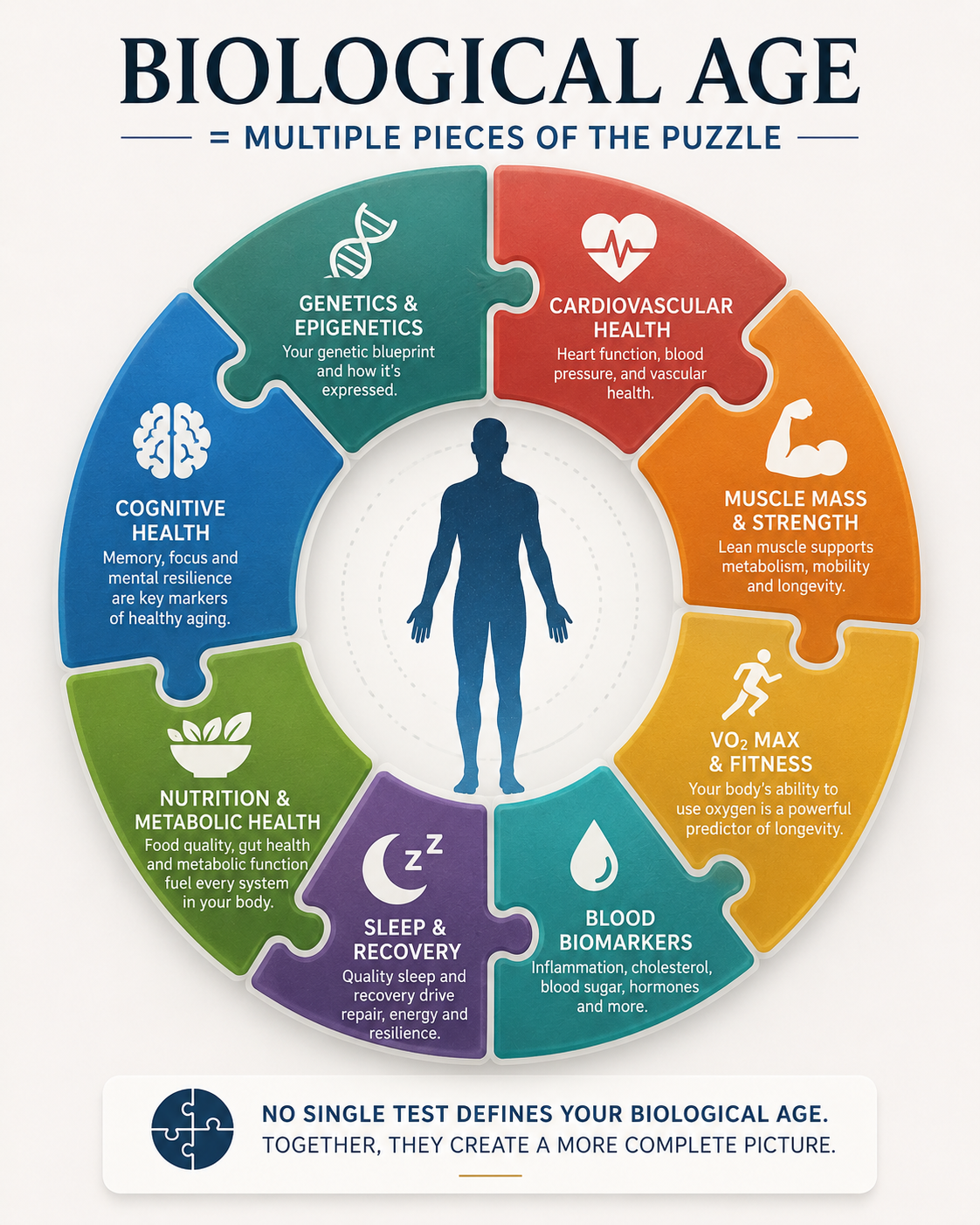
Instead, researchers have developed multiple ways of estimating how the body is aging. Each measures a different aspect of health, and each provides another piece of the puzzle.
Some of the tools we use include:
Muscle mass and strength
Body composition
Blood pressure
Blood sugar and insulin sensitivity
Cholesterol and cardiovascular risk markers
Inflammatory biomarkers
Sleep quality
Recovery from exercise
Mobility and balance
Specialized laboratory tests
Epigenetic (DNA methylation) clocks
Each contributes valuable information.
None tells the whole story.
What Are Epigenetic Clocks?
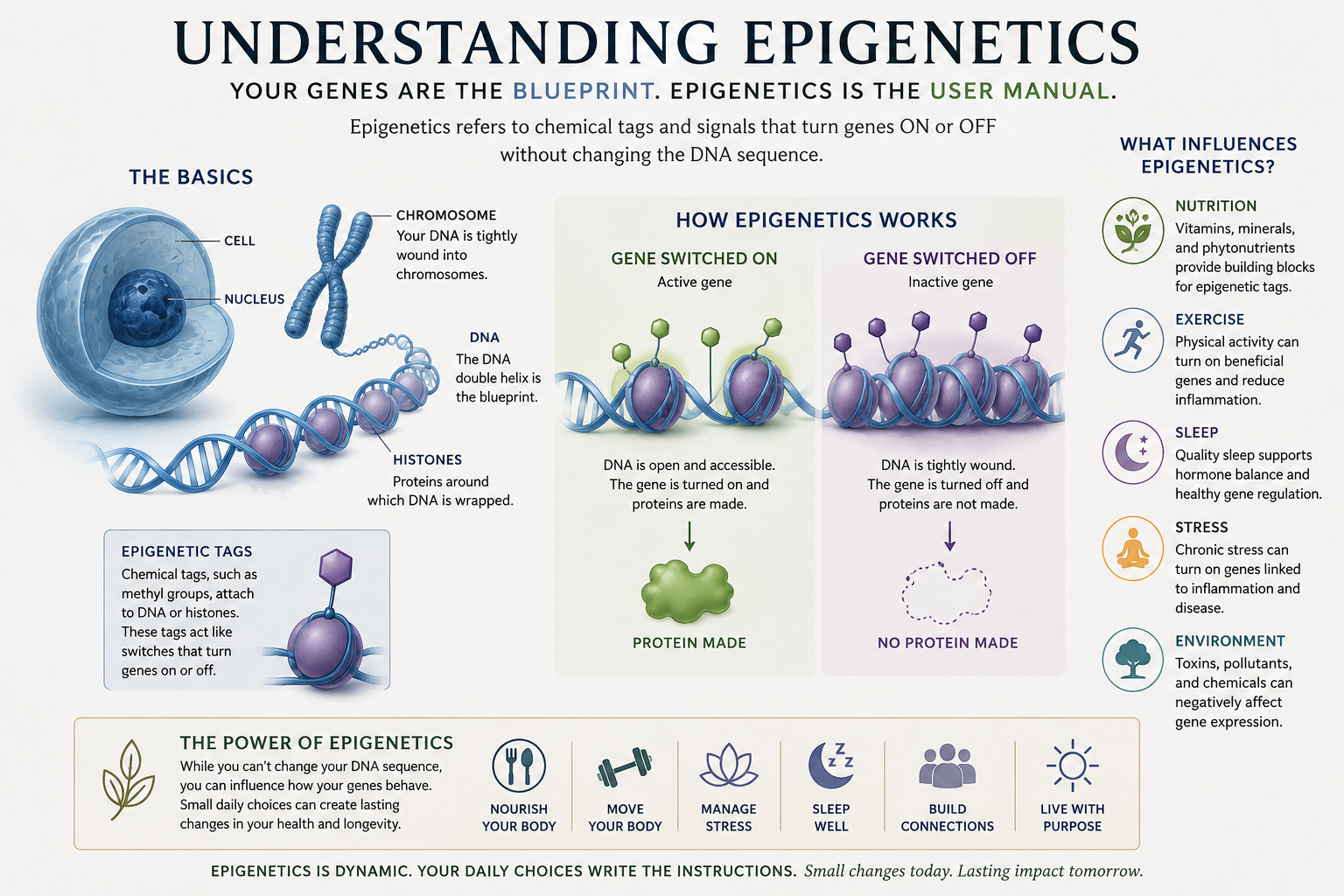
One of the most talked-about advances in longevity medicine is the development of epigenetic clocks.
These tests don’t change your DNA—they analyze tiny chemical tags called methyl groups that attach to DNA and influence which genes are turned on or off.
As we age, these methylation patterns change in surprisingly predictable ways.
Scientists have developed sophisticated algorithms that compare your methylation pattern to thousands of others to estimate biological age and, in some cases, predict future health risks.
It’s remarkable science.
But it’s important to understand what these tests can—and cannot—do.
An epigenetic clock isn’t a crystal ball.
It’s one lens through which we can better understand aging.
What About Blood-Based Biological Age Tests?
Not every biological age assessment looks at DNA.
Some use routine laboratory data to estimate what’s often called phenotypic age.
These models combine biomarkers such as cholesterol, blood sugar, inflammation, kidney function, liver function, blood counts, and metabolic health to estimate how your physiology compares with others your age.
These tests can provide valuable insight.
But just like epigenetic clocks, they don’t tell the entire story.
You might have excellent laboratory values but poor cardiovascular fitness.
Or outstanding fitness with elevated inflammation.
Or exceptional muscle mass but poor sleep.
Aging isn’t one process.
It’s many interconnected systems working together.
Can My Wearable Tell Me My Biological Age?
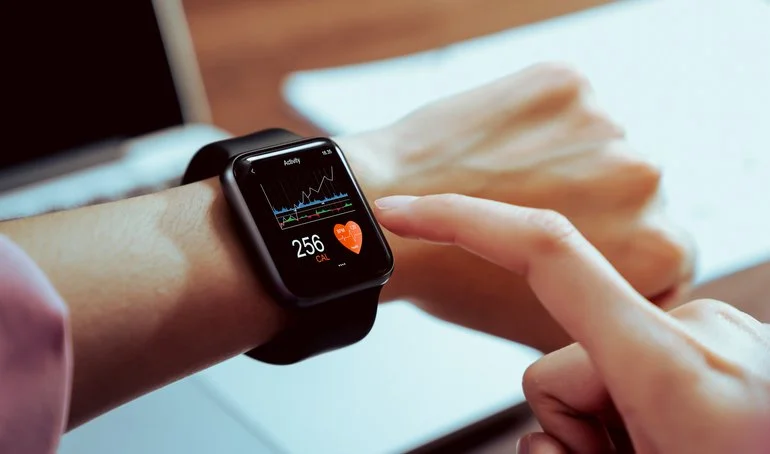
Many people are now seeing biological age estimates on devices such as WHOOP, Oura Ring, Garmin, Apple Watch, and other wearable technologies.
It’s an exciting development—but it’s important to understand what’s happening behind the scenes.
Your wearable isn’t measuring your biological age directly.
Instead, it uses sophisticated algorithms that analyze information such as:
Resting heart rate
Heart rate variability (HRV)
Sleep duration and sleep quality
Daily activity levels
Estimated VO₂ max
Recovery patterns
Exercise intensity
Walking speed or gait (on some devices)
Weight or body composition trends (when connected to other health apps)
It then compares your data with large populations and estimates how your health compares with people of different ages.
Think of it as a sophisticated prediction model rather than a medical test.
Should You Trust the Number?
The answer is: use it wisely.
Different biological age tests often produce different results.
An epigenetic clock may estimate one age.
A wearable may estimate another.
A blood-based biomarker panel may suggest something different altogether.
That doesn’t mean one is right and the others are wrong.
They’re measuring different aspects of aging.
That’s why I encourage patients not to become obsessed with one number.
Instead, pay attention to the direction you’re moving.
If your estimated biological age improves over six months while you’re becoming stronger, sleeping better, increasing your VO₂ max, improving your metabolic health, and building muscle, you’re almost certainly moving in the right direction.
Progress matters more than perfection.
Can You Reverse Your Biological Age?
This is where the internet often gets ahead of the science.
You’ll see advertisements promising to make you “10 years younger” through supplements, peptides, IV therapies, or expensive testing.
Be skeptical.
The science of aging is advancing rapidly, but we don’t yet have a proven way to simply “turn back the clock.”
What we do know is that the following habits consistently improve many of the markers associated with healthy aging.
Strength Training
Muscle is one of the strongest predictors of healthy aging.
After age 30, we naturally begin losing muscle unless we actively work to maintain it.
Building strength improves metabolism, balance, bone health, insulin sensitivity, and long-term independence.
Improve Your Cardiovascular Fitness
VO₂ max is one of the strongest predictors of longevity ever identified.
Improving your aerobic fitness reduces the risk of cardiovascular disease and premature death while improving quality of life.
Prioritize Protein
Adequate protein helps preserve muscle mass, supports recovery, and becomes increasingly important as we age.
Sleep Like It Matters
Because it does.
Sleep affects nearly every system involved in aging—from hormone regulation and memory to immune function, metabolism, and cardiovascular health.
Maintain a Healthy Weight—Especially Around the Waist
Excess visceral fat is associated with increased risks of diabetes, heart disease, fatty liver disease, and several cancers.
Don’t Smoke
Few interventions have a greater impact on slowing biological aging and reducing disease risk.
Keep Moving
Exercise doesn’t begin and end at the gym.
Walking, gardening, climbing stairs, playing with your children or grandchildren, and simply sitting less all contribute to healthier aging.
My Philosophy on Biological Age
One of the biggest misconceptions is that longevity medicine is about chasing the newest gadget or the latest supplement.
It isn’t.
It’s about understanding your current trajectory and changing it before disease develops.
Traditional medicine often asks:
“What disease do you have?”
Longevity medicine asks:
“What trajectory are you on?”
That’s a profoundly different way of thinking.
Rather than waiting for diabetes, heart disease, or osteoporosis to appear, we identify opportunities years—or even decades—earlier.
Sometimes that involves advanced laboratory testing.
Sometimes it’s body composition.
Sometimes it’s VO₂ max testing.
Sometimes it’s wearable technology.
Most often, it’s a thoughtful combination of many different data points.
My Approach at Ascend Wellness MD
I don’t judge your health by your birthday.
And I don’t judge it by a single biological age score.
Instead, I ask:
Are you stronger than you were last year?
Is your cardiovascular fitness improving?
Are you maintaining muscle as you age?
Are your metabolic markers moving in the right direction?
Are you sleeping well?
Do you have the energy to do the things you love?
Are we reducing your risk of future disease?
Those answers tell me far more about your future health than any single number ever could.
The Bottom Line
Biological age is one of the most exciting developments in modern medicine—not because it gives us another number to chase, but because it shifts our focus toward prevention.
Whether that estimate comes from a wearable, a blood-based biomarker panel, an epigenetic clock, or a combination of many different measurements, remember that it’s exactly that: an estimate.
No single test defines how well you’re aging.
The most meaningful measure isn’t whether your wearable says you’re 42 instead of 46.
It’s whether you’re healthier, stronger, fitter, and more resilient than you were six months ago.
Your birthday will always move forward.
But how well you age is influenced by the choices you make every single day.
That’s the future of medicine—and it’s a future worth investing in.