Testosterone Optimization for Men: Benefits, Myths, TRT, Enclomiphene, HCG, and Natural Support
For decades, testosterone has been viewed through a narrow lens—often associated with bodybuilders, athletes, and aging men seeking to regain their youth. In reality, testosterone is a critical hormone that affects nearly every aspect of a man’s health, from energy and muscle mass to mood, cognition, cardiovascular health, and sexual function.
Unfortunately, misconceptions about testosterone and testosterone replacement therapy (TRT) have led many men to suffer unnecessarily with symptoms that are often dismissed as simply “getting older.”
The truth is that testosterone is about far more than sex drive. It plays a central role in physical performance, metabolic health, resilience, recovery, and healthy aging.
Let’s explore what testosterone actually does, who may benefit from optimization, common myths, and the different treatment options available.
What Does Testosterone Do?

Testosterone is the primary male sex hormone, produced primarily by the testes under the control of the brain’s hypothalamic-pituitary-gonadal (HPG) axis.
Healthy testosterone levels support:
Energy and motivation
Lean muscle mass and strength
Healthy body composition
Libido and sexual performance
Bone density
Mood and emotional resilience
Cognitive function and focus
Recovery from exercise
Red blood cell production
Metabolic health and insulin sensitivity
When testosterone levels decline, men may experience symptoms such as:
Fatigue
Brain fog
Decreased motivation
Reduced exercise performance
Loss of muscle mass
Increased abdominal fat
Lower libido
Erectile dysfunction
Poor recovery
Mood changes, irritability, or depression
While testosterone naturally declines with age, many factors can accelerate that decline.
Why Testosterone Levels Are Falling
Modern men have significantly lower testosterone levels than previous generations at the same age.
Contributing factors include:
Obesity and insulin resistance
Chronic stress
Sleep deprivation
Sedentary lifestyles
Excess alcohol consumption
Environmental toxins and endocrine disruptors
Certain medications
Chronic inflammation
Low testosterone is often a signal that the body’s overall health and hormonal communication systems need attention.
Myth #1: Testosterone Causes Prostate Cancer
This remains one of the most persistent myths.
Current evidence does not support the belief that physiologic testosterone replacement causes prostate cancer. Men should still undergo appropriate prostate screening, but numerous studies have failed to demonstrate that restoring testosterone to normal physiologic levels increases prostate cancer risk.
In fact, low testosterone has been associated in some studies with more aggressive prostate cancer characteristics.
Myth #2: Testosterone Causes Heart Attacks
Older observational studies created concern about cardiovascular safety. More recent evidence has been reassuring.
Large contemporary studies suggest that appropriately monitored testosterone therapy in men with documented deficiency does not increase cardiovascular risk and may improve several cardiometabolic markers including:
Insulin sensitivity
Body composition
Waist circumference
Blood sugar control
Inflammatory markers
As with any therapy, proper patient selection and monitoring are critical.
Myth #3: Testosterone Is Only About Sex Drive
While libido often improves when testosterone is optimized, sexual function is only one piece of the puzzle.
Many men seek treatment because they notice:
Loss of ambition
Difficulty concentrating
Reduced exercise capacity
Poor recovery
Increased body fat
Reduced confidence
Lower overall quality of life
For many patients, improvements in energy, resilience, and performance are just as meaningful as improvements in sexual health.
Testosterone Replacement Therapy (TRT)

TRT involves replacing testosterone directly through:
Injections
Creams or gels
Pellets
Less commonly, oral formulations
The goal is not to create supraphysiologic levels but to restore levels into an optimal physiologic range while improving symptoms.
Benefits may include:
Increased lean muscle mass
Reduced body fat
Improved libido
Better erectile function
Improved mood
Enhanced recovery
Improved bone density
Greater vitality and quality of life
However, TRT is not appropriate for every man.
One important consideration is fertility.
Because external testosterone signals the brain that sufficient testosterone is present, the pituitary decreases LH and FSH production. This can reduce sperm production and testicular testosterone synthesis.
For men who wish to preserve fertility, alternative approaches may be preferred.
Enclomiphene: Stimulating Your Own Testosterone Production
Enclomiphene is increasingly popular because it works differently than testosterone replacement.
Rather than supplying testosterone directly, enclomiphene stimulates the body’s own hormonal signaling system.
It blocks estrogen receptors in the hypothalamus, causing the brain to perceive lower estrogen activity.
In response:
GnRH increases
LH increases
FSH increases
The testes produce more testosterone naturally
Potential benefits include:
Increased endogenous testosterone production
Preservation of fertility
Maintenance of testicular size
Improved sperm production
Many younger men with secondary hypogonadism are excellent candidates for enclomiphene.
Clomiphene (Clomid)
Clomiphene citrate has been used for years as an off-label treatment for male hypogonadism.
Clomid contains two isomers:
Enclomiphene
Zuclomiphene
The enclomiphene component is primarily responsible for testosterone stimulation.
While effective, some men experience side effects related to the longer-acting zuclomiphene component, including:
Mood changes
Visual disturbances
Emotional lability
Enclomiphene is often preferred because it contains only the active isomer responsible for testosterone enhancement.
Human Chorionic Gonadotropin (HCG)
HCG acts as a molecular mimic of luteinizing hormone (LH).
When administered, HCG directly stimulates the Leydig cells within the testes to produce testosterone.
Benefits may include:
Increased testosterone production
Preservation of fertility
Maintenance of testicular volume
Support of sperm production
HCG is often used:
Alone in younger men
Alongside TRT
During fertility-focused treatment plans
For men concerned about maintaining fertility while optimizing testosterone, HCG can be a valuable tool.

Testosterone and Longevity: More Than Just Feeling Better
One of the biggest misconceptions about testosterone therapy is that it is simply about improving libido or restoring youthful energy. While symptom improvement is important, testosterone also plays a significant role in many of the physiologic systems associated with healthy aging.
Low testosterone levels have been associated with:
Loss of muscle mass (sarcopenia)
Increased visceral fat
Insulin resistance
Frailty
Reduced bone density
Higher rates of metabolic syndrome
Reduced physical function
Increased risk of falls and fractures
As we age, maintaining muscle becomes increasingly important.
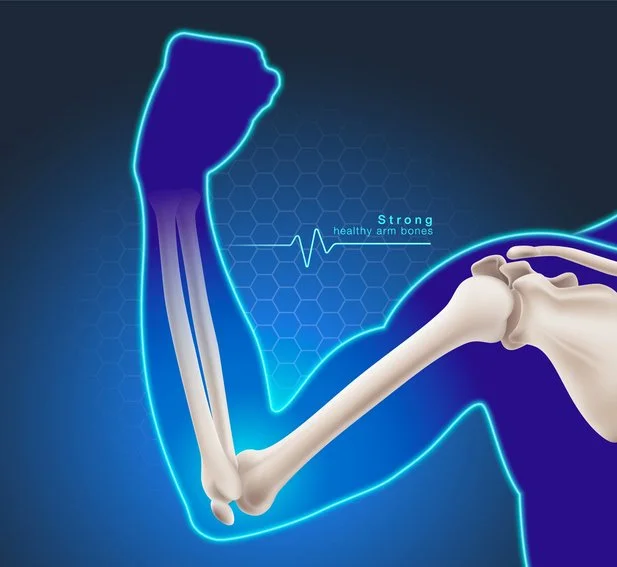
Muscle is not merely cosmetic tissue—it is a metabolic organ that helps regulate blood sugar, supports mobility, protects against injury, and serves as a critical reserve during illness and recovery.
In many ways, strength and muscle mass function as biomarkers of longevity.
Testosterone supports:
Preservation of lean muscle mass
Improved exercise capacity
Recovery from training
Bone health
Healthy body composition
Metabolic function
However, testosterone is only one piece of the longevity puzzle.
Hormone optimization should be integrated with a broader strategy that includes nutrition, resistance training, cardiovascular fitness, sleep optimization, stress management, and metabolic health. The goal is not simply to increase testosterone levels—it is to help men maintain strength, vitality, independence, and quality of life for decades to come.
The question is not simply, “How long do you want to live?” The more important question is, “How well do you want to live?”
Lifestyle Still Matters

No medication can fully compensate for poor lifestyle habits.
The most powerful ways to support healthy testosterone production include:
Prioritize Sleep
Most testosterone production occurs during sleep.
Men who consistently sleep fewer than six hours per night often experience measurable reductions in testosterone.
Aim for:
7–9 hours nightly
Consistent sleep and wake times
Evaluation for sleep apnea when appropriate
Strength Training
Resistance training remains one of the most effective natural testosterone boosters.
Focus on:
Compound movements
Progressive overload
Consistency over intensity
Maintain Healthy Body Composition
Excess body fat increases aromatase activity, which converts testosterone into estrogen.
Reducing visceral fat often improves testosterone levels naturally.
Manage Stress
Chronic cortisol elevation can suppress testosterone production.
Helpful strategies include:
Meditation
Breathwork
Time outdoors
Recovery days
Limiting excessive endurance exercise
Supplements That May Support Testosterone
Supplements are not a substitute for correcting true hypogonadism, but certain nutrients may support healthy testosterone production.
Vitamin D
Men with low vitamin D levels often have lower testosterone levels.
Many adults benefit from testing and correcting deficiency.
Zinc
Zinc is essential for testosterone synthesis.
Deficiency is associated with reduced testosterone production.
Magnesium
Magnesium supports sleep quality, recovery, and hormonal function.
Magnesium glycinate is often well tolerated.
Creatine Monohydrate
Creatine supports:
Strength
Power output
Muscle mass
Recovery
Some research suggests favorable effects on androgen metabolism.
Ashwagandha
Ashwagandha may help reduce cortisol levels and improve stress resilience, potentially supporting testosterone production in some men.
Omega-3 Fatty Acids
While not a direct testosterone booster, omega-3 fatty acids support overall metabolic and cardiovascular health, creating an environment that supports healthy hormone production.

The Bottom Line
Testosterone is far more than a sex hormone. It plays a central role in physical performance, metabolic health, cognitive function, recovery, and overall vitality.
For men experiencing fatigue, loss of strength, reduced libido, brain fog, declining exercise performance, or changes in body composition, evaluating testosterone levels may uncover an important piece of the puzzle.
The best approach is individualized. Some men benefit from lifestyle interventions alone. Others may be candidates for enclomiphene, HCG, clomiphene, or testosterone replacement therapy.
The goal is not simply to increase a lab value. The goal is to preserve muscle, maintain metabolic health, support cognitive and physical performance, and extend healthspan—the years of life spent healthy, active, and independent.
At Ascend Wellness MD, we take a comprehensive approach to men’s hormone optimization by evaluating not only testosterone levels, but also sleep, nutrition, body composition, cardiovascular risk, recovery, and overall metabolic health. Our objective is not merely to improve how you feel today, but to help you build the foundation for a longer, stronger, and healthier future.